Ona started as a founding team with no existing design, product, or project management practice to inherit — every process and workflow had to be built from zero while the product itself was also being built from scratch. As Head of Design, I was responsible not just for the product's UX but for establishing how design and cross-functional work would actually happen inside the company as it grew.
My Role & Process
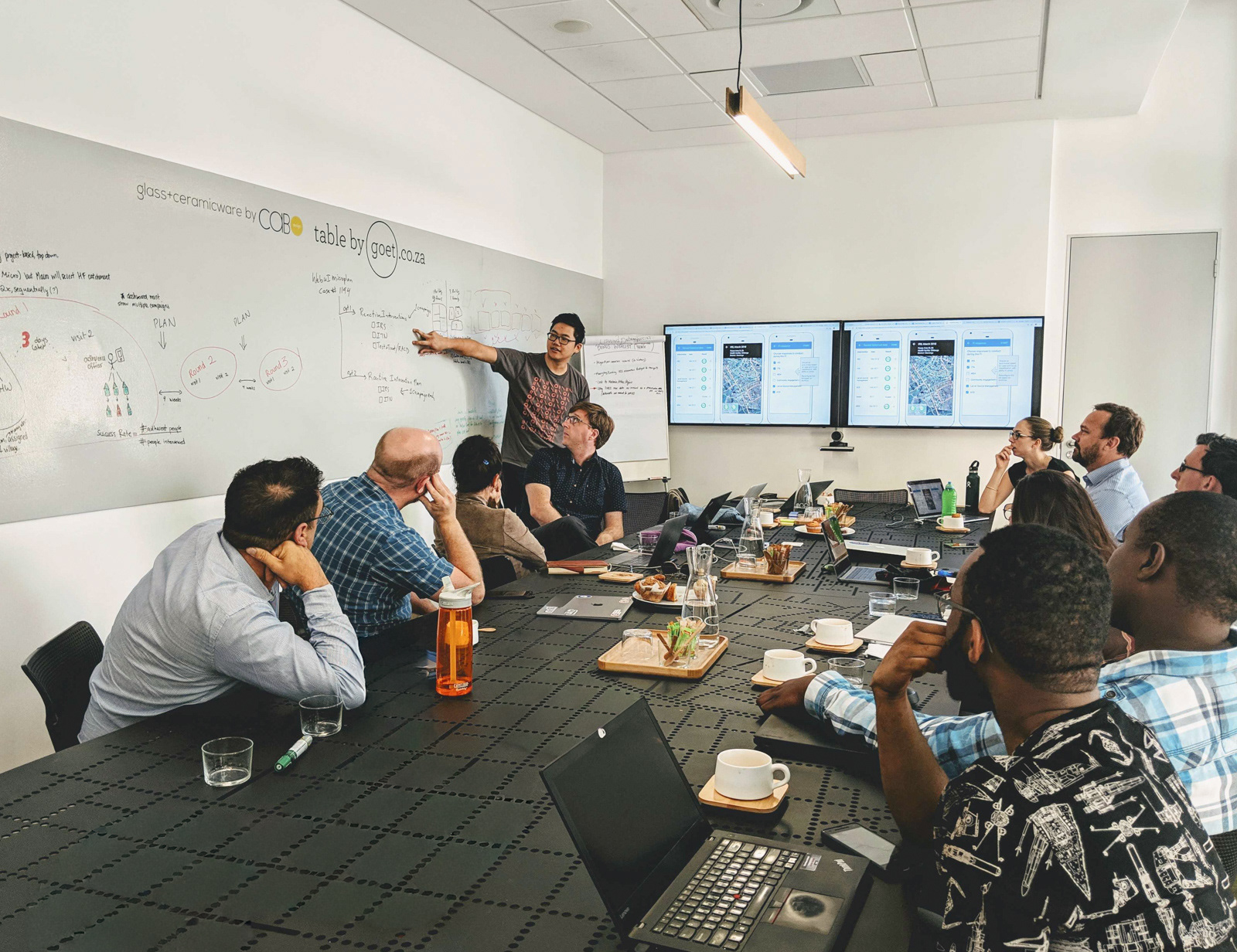
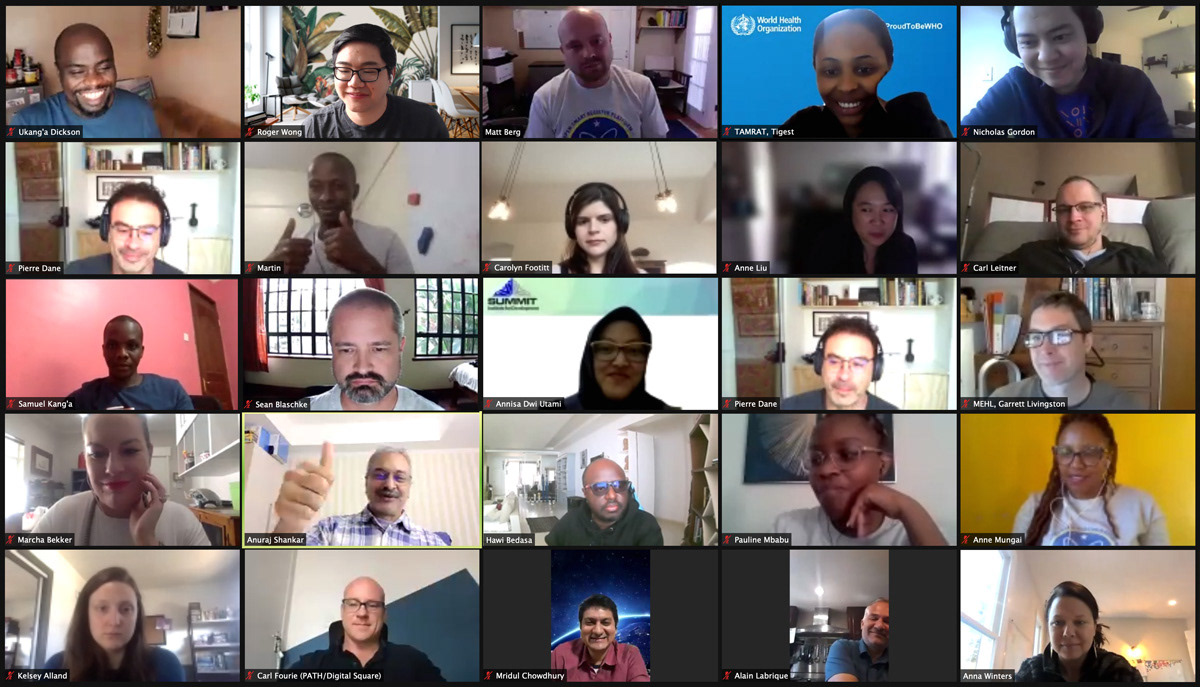
I grew the design function to a team of three, hiring and mentoring while still working hands-on as a principal IC. My day to day involved working with engineering and business strategy teams, working with clients, running critiques, and setting the bar for what "done" looked like. I operated as a player-coach, balancing direct design ownership with the leadership work of setting team direction and unblocking others. I collaborated with other executives to build the working relationship between design, engineering, and business development across a company partnering with stakeholders in 54 countries.
For my teams (design and project management), I employed a structured goal-setting process to keep priorities aligned each cycle, trained project managers to run design research as part of standard project intake, created templates for turning design decisions into engineering-ready requirements, and created rules for working with engineering to make hand-off predictable across a distributed team. We ran Agile practices suited to our size, using Asana for project tracking and GitHub for engineering hand-off.
Three Strategic Changes
AI
As a tech social impact company, AI reshaped how the team worked at a scale similar to COVID-19. When ChatGPT launched in 2023, I introduced it into our design and marketing workflows for early strategy framing and meeting agendas, though the user interfaces it produced then were rough. As the tooling matured, with tools like Figma Make, UX Pilot, and eventually Claude Design and Lovable coming out, I pulled some of these new tools into the team's process. Collaboration improved and demonstrated how design wasn't about screens, but about the whole user experience and making their lives better, which "non-designers" could contribute to defining. Sharing that language with engineering and business stakeholders made it possible to get to a strong working solution in real time, together, rather than in a design-then-review hand-off.
Shifting design methodology
Coming from a design agency background, I thought every project should start with extensive discovery. Running a startup changed my perspective. I've learned that the right process depends on the level of uncertainty. I learned the goal of design isn't to follow a methodology, but to reduce risk wherever you are in the product or project. Initially, with a new product trying to find the right problem to solve and earn trust and build momentum with partners, we employed design thinking and human-centered design approach. We facilitated workshops and used contextual research, paper prototypes, journey mapping and opportunity framing to figure out what pain points and align stakeholders rather than jump straight to defining features. As we built the product and we shifted focus to gaining revenue and users, I shifted our approach to Lean UX to quickly learn and improve solutions. We also used design sprints to define new feature sets quickly.
Business model
Beyond the day to day processes, the company founders were solving another problem: the business model itself. As a bootstrapped company, project work funded product investment, and getting the balance right between near-term profit and long-term product strategy took years of adjustment rather than a single fix. Playing a dual role between business owner and implementer helped me understand the tradeoffs and constraints that go into making great user experiences, and ultimately that shipping is paramount. Over time, it also led me to integrate design research responsibilities into positions that were closer to users everyday, such as project managers with clients and the support team, so they could identify needs early.
Coaching & Mentorship
Growing the team meant meeting people where they were. One project manager, new to the role, struggled with the ambiguity of early-stage projects and lacked confidence making calls without a clear answer. I built simple input/output frameworks that made the unknowns visible as blanks rather than gaps, gave them tools and templates for client meetings and agendas, and let them take on small, contained decisions before working up to more complex ones — narrating my own reasoning along the way. They grew into someone who could run the bulk of a project independently; I stayed close enough to catch the moments they defaulted to what was comfortable rather than what the project needed, checking in regularly and asking them to walk me through their thinking.
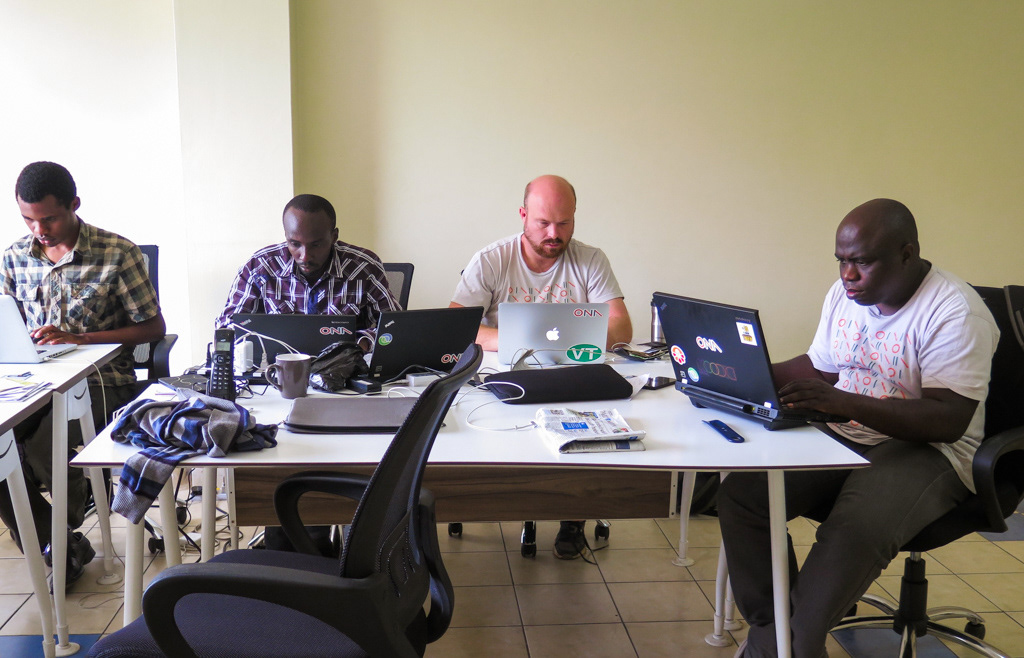
A mid-level designer presented a different challenge: strong within tight constraints, but new to operating without them. Our team was resource-constrained and split across an 8-hour time difference, so every designer had to make calls and anticipate problems without waiting on me. I ran informal critique sessions where we talked through both of our thought processes side by side, which surfaced a working set of principles — stay action-focused, defend the user when technical or business pressure pushed against the experience, remember every decision plays out against a live product with real tradeoffs, and hold the line on design quality. Through consistent feedback and a radical-candor approach to critique, that designer grew into a lead product designer I trusted to make UI and product decisions independently, run design research, and present directly to the team and clients.
Outcome
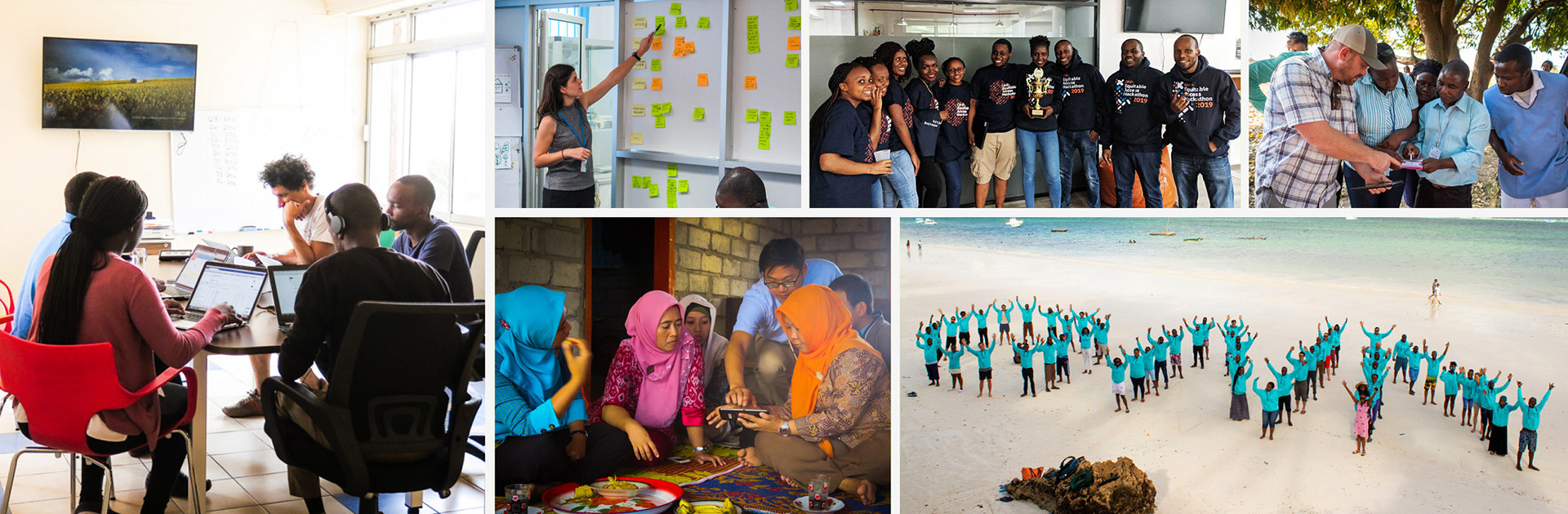
The structure held for over a decade, through Ona's growth into multiple platforms carrying hundreds of millions of data points and thousands of users. Predictable hand-off and shared research literacy across the PM team held up across our 350+ projects and let the product ship on schedule. Two of the people I coached now run work independently — a first-job PM who grew into running the bulk of a project on their own, and a mid-level designer who grew into a lead product designer trusted with UI decisions, research, and client presentations. External validation followed: a partnership with Google to help build Open Health Stack, and recognition as a TIME 50 Genius Company for Ona's mapping and field technology work.
Reflection
The hardest-earned lesson was the gap between having an established name behind you and starting from zero. Earlier in my career, names like Frog, Pentagram, and the Earth Institute opened doors and earned partner trust on their own; at Ona, we had none of that leverage. We won small projects first and spent years earning credibility that eventually led to bigger ones.
As a bootstrapped company, we funded product investment through client project work, and finding the right balance between generating enough revenue to invest in the team and staying true to our product strategy took years, and we never got it perfectly right. If I were starting again, I'd prioritize establishing reliable revenue sources earlier, rather than spending as much time trying to perfect a product for a market we hadn't yet proven existed.
More than anything, building Ona from nothing taught me how much established process and culture matter to a team's ability to operate — and, just as importantly, how to recognize and evolve the parts that aren't working rather than treating any process as fixed. Coaching people and staying ahead of the tools we used taught me the same lesson from a different angle: growth only comes from staying close enough to see how someone actually thinks, not from stepping back and hoping they figure it out.
Role: Co-Founder & Head of Design